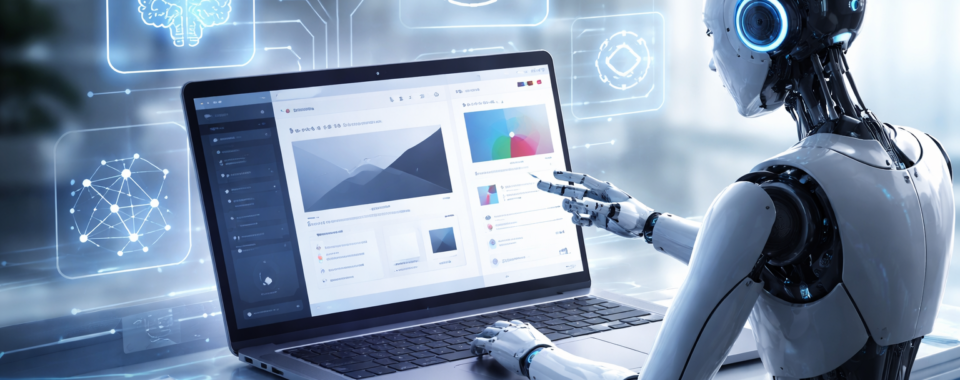
In the rapidly evolving digital world, Artificial Intelligence (AI) and Machine Learning (ML) are not just buzzwords but powerful tools that are fundamentally transforming the way websites are designed.
From automating routine tasks to personalizing user experiences, AI and ML are reshaping the web design landscape, making websites smarter, faster, and more user-centric.
In this blog, we will explore how these technologies are revolutionizing web design, and how businesses can leverage them to enhance their online presence.
What Is AI and Machine Learning in Web Design?
Artificial Intelligence (AI) refers to the simulation of human intelligence in machines, enabling them to think, learn, and problem-solve like humans. Machine Learning (ML) is a subset of AI that allows systems to learn from data and improve their performance over time without being explicitly programmed.
In web design, AI and ML are used to automate tasks, optimize user experiences, and even generate design elements, streamlining the design process while improving functionality and performance.
Automated Web Design: Speeding Up the Creative Process
One of the most significant ways AI is impacting web design is through automation. AI-powered tools like Wix ADI (Artificial Design Intelligence) and Bookmark allow users to create custom websites quickly by simply inputting basic information. These tools analyze user preferences, business goals, and industry standards to automatically generate a website layout and design that fits the user’s needs.
Benefits:
Faster Turnaround: AI reduces the time it takes to launch a website, providing a quicker turnaround for clients and businesses.
Cost-Efficiency: Automation minimizes the need for manual work, making web design more affordable, especially for small businesses and startups.
Personalized User Experience: Tailoring Content for Each Visitor
Machine learning algorithms excel at analyzing user data and behavior. Personalization is one of the most powerful benefits AI offers to web design. AI can tailor content, layouts, and even product recommendations based on individual user preferences, browsing history, and demographics.
How AI Personalizes User Experience:
Content Customization: AI can adjust text, images, and offers based on what is most likely to resonate with a particular user.
Dynamic Content Delivery: Websites can adapt in real-time based on a user’s actions, creating a more engaging experience that keeps visitors coming back.
For example, e-commerce websites like Amazon use AI to recommend products based on a user’s browsing history, increasing conversion rates.
Smart Design Tools: Reducing Human Effort
AI-powered design tools are also streamlining repetitive tasks that traditionally took designers hours to complete. Tools like Firedrop and The Grid utilize AI to assist with everything from creating color palettes to adjusting typography, layout, and visual hierarchy. These platforms learn user preferences and design choices over time, improving the design process.
Examples of AI in Design:
Logo Generation: AI-based tools can generate unique logos based on brand identity and style preferences, reducing design time.
Layout Optimization: Machine learning algorithms can predict which layouts will perform best based on user engagement data and design trends.
SEO Optimization and AI: Enhancing Search Visibility
AI is not just about visual elements; it also plays a crucial role in improving the SEO performance of websites. By analyzing large datasets, AI can help optimize content for better search engine visibility. For instance, AI tools like Surfer SEO and Frase analyze keyword trends, competitors’ strategies, and SEO best practices to suggest on-page optimizations.
Benefits for SEO:
Content Optimization: AI can recommend keyword placement, meta descriptions, and headings that align with current SEO trends.
User Engagement: AI analyzes user interaction and engagement metrics to help improve content that keeps visitors on the site longer, a key factor in SEO rankings.
By integrating AI into web design, businesses can ensure their websites are not only visually appealing but also optimized for search engines.
Chatbots and AI Customer Support: Improving User Engagement
AI-powered chatbots and virtual assistants are increasingly being integrated into websites to provide real-time customer support. These bots use Natural Language Processing (NLP) to understand and respond to user inquiries, improving the overall user experience.
Why Chatbots Matter:
24/7 Support: Chatbots can answer questions and assist customers at any time, improving engagement and satisfaction.
Lead Generation: AI bots can help qualify leads by gathering customer information and providing personalized recommendations, streamlining the sales process.
AI in Web Development: Efficient Code Generation and Bug Fixing
AI and ML are also making an impact in the backend of web design by aiding web development. Platforms like GitHub Copilot use AI to assist developers by suggesting code and identifying bugs. This reduces development time and improves the accuracy of the code, leading to more robust and secure websites.
How AI Helps in Development:
Automated Coding: AI tools can generate code snippets based on design and functionality requirements, speeding up the development process.
Bug Detection: AI can analyze code for errors and suggest fixes, reducing human error and improving website performance.
How AI and Machine Learning Are Changing the Future of Web Design
The future of web design is undoubtedly intertwined with AI and Machine Learning. As these technologies continue to evolve, they will enable designers and businesses to create websites that are not only more efficient but also more personalized and engaging.
Key Takeaways:
Faster Web Design: AI-powered tools accelerate the design process, allowing businesses to launch websites more quickly and at a lower cost.
Personalization at Scale: Machine learning enables websites to adapt to each user’s preferences, creating more relevant and engaging experiences.
Better SEO: AI assists in optimizing websites for search engines, ensuring higher rankings and increased visibility.
Enhanced User Engagement: AI-powered chatbots and real-time customization improve user satisfaction and conversions.
For businesses looking to stay ahead of the curve, embracing AI in web design is no longer an option; it’s a necessity.
How SaskWebs Can Help
At SaskWebs, we specialize in creating cutting-edge websites using the latest AI and machine learning technologies. Whether you’re looking to enhance your site’s user experience, optimize for SEO, or speed up the design process, our team is here to help. We integrate AI-powered tools and personalized design strategies to create websites that not only look amazing but also perform at their best.
Ready to Transform Your Website?
If you want to take advantage of AI and ML in your web design, contact SaskWebs today. Our team will work with you to develop a website that’s innovative, user-friendly, and optimized for success in the digital world.
FAQs: AI & Machine Learning in Web Design
How is AI used in web design?
AI automates tasks, personalizes content, and optimizes website layouts, making web design faster and more efficient.
Can AI improve user experience on my website?
Yes, AI personalizes content based on user data, improving engagement and satisfaction.
What are the benefits of AI design tools?
AI tools speed up the design process, reduce costs, and ensure a more consistent, on-trend website.
How does AI help with SEO?
AI optimizes content, keywords, and on-page elements to improve search engine rankings and drive traffic.
Are AI-powered chatbots useful?
Yes, chatbots provide 24/7 support, engage users, and help generate leads, boosting conversions.