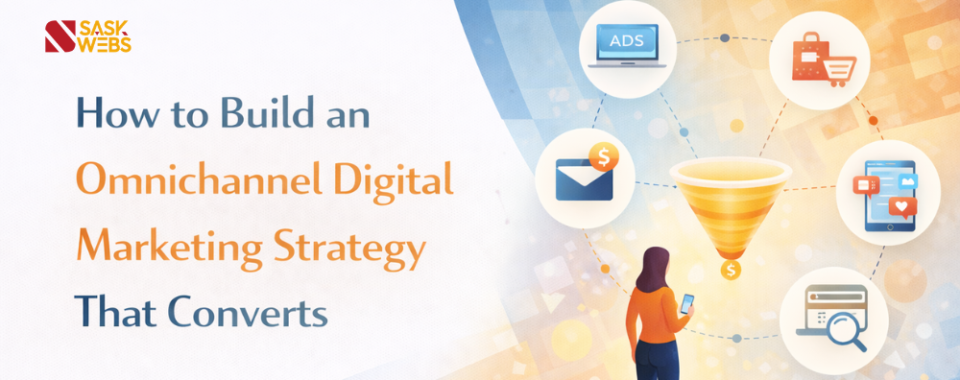
Customers now engage with brands across multiple platforms, social media, email, search engines, mobile apps, and even in-store. Creating an omnichannel digital marketing strategy is crucial for staying competitive and driving higher conversions.
An omnichannel strategy connects all touchpoints, ensuring your brand delivers consistent and personalized messaging.
In this guide, we’ll walk you through how to build an effective strategy that converts, with best practices, actionable steps, and tools for success.
What Is an Omnichannel Digital Marketing Strategy?
At its core, an omnichannel strategy focuses on creating a unified customer experience across various digital and physical channels. It ensures that customers receive a consistent brand experience, whether they’re engaging through social media, email marketing, PPC ads, SEO, or retargeting efforts.
Unlike multichannel marketing, which treats each channel separately, omnichannel marketing aims to connect them all, guiding customers seamlessly through their journey, from initial awareness to purchase.
Why an Omnichannel Approach Matters for Your Business
Implementing an omnichannel marketing strategy offers several key benefits:
Improved Customer Experience
By integrating all your channels, customers feel like they’re interacting with a cohesive brand, not fragmented touchpoints.
Increased Conversions
Omnichannel strategies lead to higher conversion rates by meeting customers where they are and providing multiple paths to purchase.
Stronger Brand Loyalty
Customers who engage with brands on more than one channel tend to stay loyal, increasing their lifetime value.
Enhanced Data and Insights
A unified approach allows businesses to track and analyze data from all touchpoints, helping fine-tune campaigns and improve ROI.
Understanding the Omnichannel Customer Journey
The customer journey has evolved beyond a simple linear process. Today’s consumers move between different channels and devices before making a purchase decision. An omnichannel strategy ensures a seamless experience across these touchpoints.
Awareness: Potential customers discover your brand through search engines, social media, or ads.
Consideration: Shoppers research your products, engage with reviews, and sign up for emails.
Decision: Customers make a purchase through your online store, mobile app, or in‑store.
Retention: Following the purchase, you continue to engage customers through email, social media, or personalized retargeting ads to encourage repeat purchases.
Having a clear customer journey map is crucial for creating a successful omnichannel marketing strategy that keeps customers engaged and drives conversions.
Key Components of an Effective Omnichannel Strategy
To implement a successful omnichannel strategy, you must consider the following components:
Unified Messaging Across Channels
Consistency is key. Customers should receive the same brand message, whether they interact with your brand on social media, through email campaigns, or on your website. This consistent messaging helps build brand recognition and trust.
Data Integration Across Touchpoints
Gather data from every interaction a customer has with your brand. Use tools like CRM systems and analytics platforms to track customer behavior across all channels. This data allows you to provide more personalized experiences and better measure the success of your campaigns.
Seamless User Experience (UX)
Your website, mobile app, and physical locations should all offer a smooth, easy-to-navigate experience. Optimizing your website for mobile responsiveness, ensuring your checkout process is streamlined, and delivering an intuitive experience across all platforms will help reduce friction and improve conversion rates.
Centralized Analytics and Attribution Tracking
Omnichannel marketing success relies heavily on data integration. By using tools like Google Analytics, HubSpot, or Adobe Analytics, you can track performance across multiple touchpoints and allocate resources more effectively.
How to Build Your Omnichannel Strategy: Step by Step
Building an omnichannel marketing strategy requires a structured approach. Follow these steps to start:
Step 1: Define Your Business Goals
Start by identifying the objectives you want to achieve. Do you want to increase sales, improve customer retention, or boost brand awareness? Your business goals will shape your omnichannel strategy.
Step 2: Understand Your Audience
Gather audience insights and segment your audience based on behavior, interests, and purchasing patterns. This will help tailor your omnichannel marketing tactics to your customers’ needs.
Step 3: Map Out the Customer Journey
Visualize the customer’s journey across all touchpoints, from discovery to purchase to post-purchase engagement. Understand where customers drop off and how you can make the process smoother.
Step 4: Select the Right Channels
Choose the channels that make the most sense for your business and audience. Include social media, PPC, email marketing, SEO, and content marketing. Ensure all channels are integrated into one cohesive experience.
Step 5: Create Integrated Campaigns
Plan your campaigns so they work together across channels. For instance, an email campaign can drive traffic to a social media contest, while PPC ads can retarget users who are engaged with your content marketing efforts.
Step 6: Track Performance and Optimize
Use analytics tools to track KPIs like conversion rates, engagement, and ROI. Adjust your strategy based on data to continually improve your omnichannel efforts.
Key Channels to Include in Your Omnichannel Strategy
To create a robust omnichannel digital marketing strategy, you must integrate these essential channels:
- SEO: Attract organic traffic through optimized search results.
- PPC Ads: Increase visibility with Google Ads and social media ads.
- Email Marketing: Nurture leads and increase conversions with personalized, well-timed emails.
- Social Media: Engage with customers, drive awareness, and retarget users.
- Content Marketing: Provide valuable, relevant content to guide customers along the journey.
By integrating these channels, you can ensure a consistent, seamless customer experience that leads to higher conversions.
Tools and Technologies That Support Omnichannel Success
Effective omnichannel marketing requires the right tools and technologies:
- CRM platforms like HubSpot or Salesforce to track and manage customer data.
- Marketing automation tools such as Mailchimp or ActiveCampaign to automate email campaigns and retargeting.
- Analytics platforms like Google Analytics and Mixpanel to measure performance across channels.
- Social media management tools like Hootsuite or Buffer to manage posts and track engagement.
These tools help businesses implement and measure their omnichannel strategies effectively.
Measuring the Success of Your Omnichannel Strategy
To measure the success of your omnichannel digital marketing strategy, track metrics such as:
- Conversion rates across channels
- Customer Lifetime Value (CLV)
- Engagement rates (click-through rates, time on site)
- Attribution models to see how different touchpoints contribute to sales
Understanding and analyzing these metrics allows you to fine-tune your strategy and optimize performance for maximum ROI.
Conclusion: Create an Omnichannel Strategy That Actually Converts
An omnichannel marketing strategy is essential for delivering a seamless, personalized experience to your customers.
By integrating multiple channels and optimizing your customer journey, you can boost conversions, improve customer satisfaction, and drive long-term business growth.
Start building your omnichannel strategy today, track performance across channels, and continuously optimize based on data.
Whether you’re in ecommerce, B2B, or services, a well-executed omnichannel strategy can unlock new growth opportunities and improve your bottom line.
FAQs About Omnichannel Digital Marketing Strategy
What is an omnichannel marketing strategy?
An omnichannel strategy integrates multiple customer touchpoints, like social media, email, and mobile apps, into one seamless, consistent experience.
Why does an omnichannel strategy matter for businesses?
It ensures a consistent customer experience across all channels, improving customer engagement, boosting conversions, and building brand loyalty.
What channels should be included in an omnichannel strategy?
Essential channels include social media, email marketing, PPC ads, SEO, content marketing, and mobile apps, all working together to drive conversions.
How can I build an effective omnichannel strategy?
Start by defining your business goals, mapping the customer journey, selecting relevant channels, aligning messaging, and using tools to track performance and optimize.
How do I measure the success of my omnichannel strategy?
Track key metrics like conversion rates, customer lifetime value (CLV), and engagement rates across channels to understand your strategy’s impact and optimize